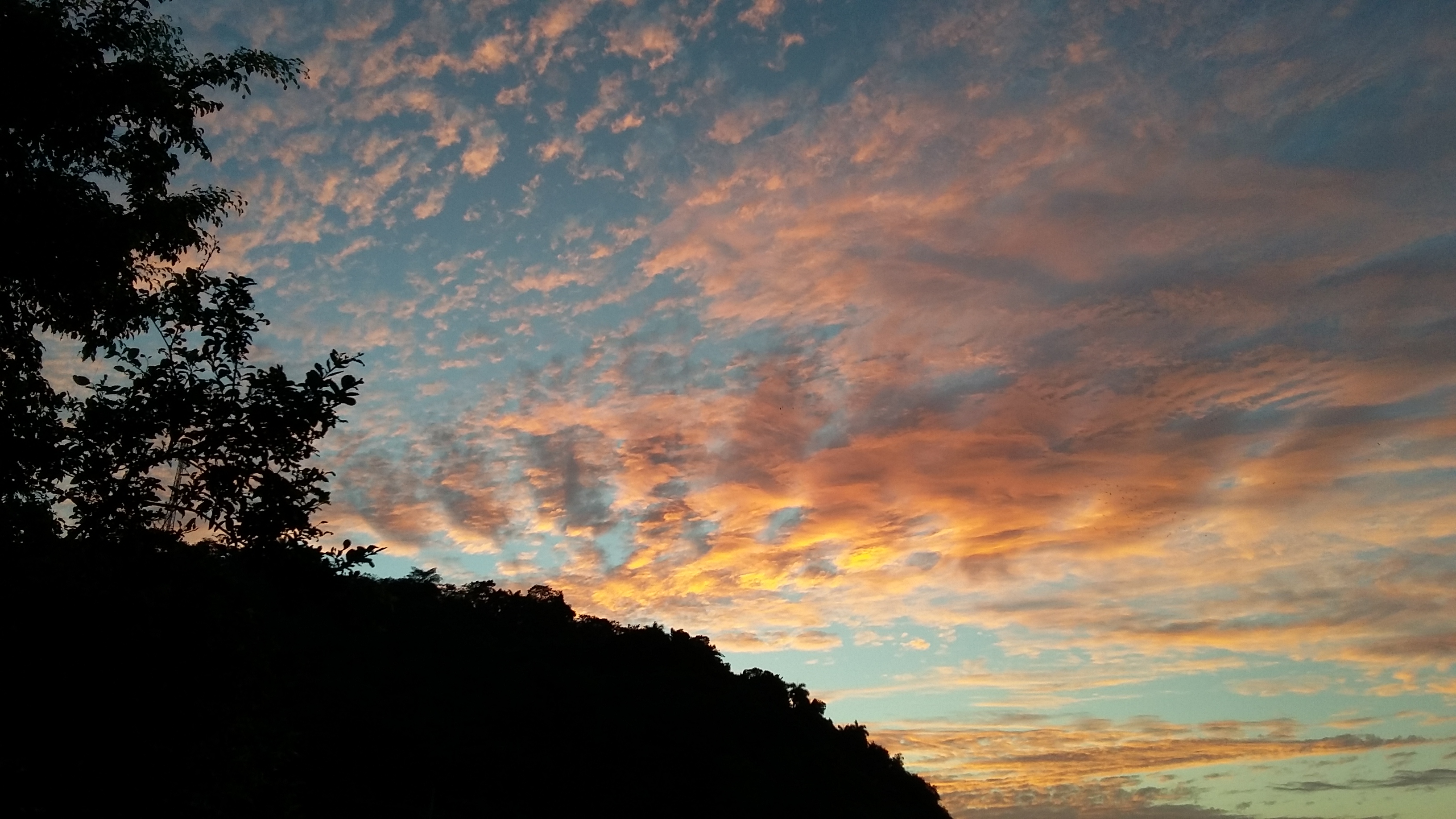
Most people who come to Quepos for a week leave wondering what it would be like to stay for a season. The town sits between the Pacific and the rainforest, close enough to Manuel Antonio to spend a morning in the park and close enough to a working Costa Rican community to buy groceries, see a doctor and get a phone line installed. This guide is the practical version: how to get here, what the weather really does month by month, what a normal month costs, and what to check before you sign a rental contract.
Why Quepos
Quepos is a working town on Costa Rica’s central Pacific coast. Unlike the purely tourist-driven atmosphere of some beach towns, Quepos functions as a regional hub. It provides the infrastructure, services, and commerce that support both the local population of approximately 21,500 people and the visitors who come to explore the nearby coast.
The primary appeal of living here is the balance between convenience and nature. Residents have access to a full suite of urban amenities, including hospitals and banks, while remaining minutes away from some of the most biodiverse rainforests and beaches in the world. It is a practical choice for those who want the tropical experience without sacrificing the ability to buy hardware, visit a pharmacy, or access healthcare within the same district.
Where Quepos sits, and how you get there
Quepos is located in the canton of Quepos within the Puntarenas province. The town sits at an elevation of about 5 meters above sea level, covering an area of roughly 236 square kilometers. It serves as the gateway to Manuel Antonio National Park.
Getting here from the capital, San José, is a journey of about 157 kilometers. By car, the route takes roughly 3 to 3.5 hours via Atenas, Orotina and Tárcoles. By public transport, the Tracopa bus leaves downtown San José and takes between 3.5 and 4.5 hours.
For a faster arrival, the Quepos La Managua airport (XQP) offers domestic flights from San José. The flight time is roughly 40 minutes, providing a quicker alternative to the road trip. More on getting here from San José.
The climate, month by month
The region has a tropical monsoon climate. This means high humidity and consistent warmth throughout the year. Daytime highs generally stay between 30 and 32 degrees Celsius (86 to 90 degrees Fahrenheit), while nights average 22 to 23 degrees Celsius (71 to 73 degrees Fahrenheit).
The year is divided into two primary seasons. The driest stretch occurs from January to March. This is the peak of the dry season, characterized by clear skies and intense sun.
The green season brings warm rain, which typically falls in the afternoons and evenings. September and October are usually the wettest months of the year. During this time, the landscape is lush, but the rain can be heavy and persistent, occasionally affecting travel and outdoor activities.
What it actually costs to live here
Cost of living varies based on the season and how much a resident relies on imported goods versus local products. The following are approximate 2026 estimates for a single person or a couple.
Housing and Utilities
- Furnished one-bedroom apartment (monthly/long-stay): USD 700 to 1,200.
- Furnished two-bedroom apartment (monthly): USD 1,000 to 1,600.
- Electricity and water for a small apartment: USD 80 to 180. Air conditioning is the primary variable in this cost.
- Home internet: USD 40 to 70.
Food and Dining
- Groceries for one person cooking at home: USD 250 to 450. Shopping at the farmers’ market and eating at local sodas is more affordable than buying imported brands.
- Casual lunch at a local soda: USD 6 to 10.
- Mid-range restaurant dinner: USD 15 to 30 per person.
Transportation and Other Costs
- Public bus between Quepos and Manuel Antonio: a few hundred colones.
- Underestimated expenses: Private car rentals, doctor visits, and imported goods often cost more than newcomers anticipate.
The local currency is the Costa Rican colón (CRC). While many tourist-facing businesses accept US dollars, change is usually provided in colones.
Renting long term: what the market looks like
The rental market in the Quepos and Manuel Antonio area is split between short-term vacation rentals and long-term leases. For those moving for remote work or retirement, a furnished monthly rental is the standard starting point.
A typical furnished rental includes basic furniture, kitchen equipment, utilities, and internet. However, it is important to clarify specific terms before signing a contract. Residents should ask about the security deposit, the minimum stay required, and if there is a cap on electricity usage. It is also necessary to confirm policies regarding pets, available parking, and the cancellation process.
Renting before buying is a sensible strategy. This allows a person to experience the humidity and the rain of the green season firsthand and to determine if they prefer the bustle of the town center or the quieter hills leading toward the park.
We offer furnished monthly stays at Brunxu Apartments, in a quiet residential pocket between Quepos and Manuel Antonio. There are studio, one-bedroom and two-bedroom apartments, all with equipped kitchens. Current monthly rates are listed here. For availability, write to us on WhatsApp at +506 8853 8245.
A normal week: errands, food, health, connectivity
Daily life in Quepos revolves around the town’s established infrastructure. For groceries, residents use the local supermarkets and the farmers’ market for fresh produce. Hardware stores and pharmacies are readily available within the town center.
Healthcare is accessible through the public hospital, Hospital Dr. Tomás Casas Casajús, as well as various private clinics. For those working remotely, home internet is stable, though the cost varies by provider.
Transportation depends on where one lives. A local bus connects Quepos and Manuel Antonio roughly every 30 minutes during the day. However, if a resident lives up the hill between the two towns, a private car is often necessary to manage daily errands and the steep terrain.
Leisure time often includes visits to Marina Pez Vela, a full-service marina with shops and restaurants. Because Quepos is a hub for sportfishing, the town is particularly active during the sailfish season, which runs from November to April.
Nature on your doorstep
The defining feature of the area is the Manuel Antonio National Park. Established in 1972, it covers about 1,983 hectares of land and a significant marine area. It is the most visited national park in the country.
Visitors must be aware of specific regulations. The park is closed every Tuesday. Tickets are sold exclusively online through SINAC, the national conservation system, and a valid ID is required for entry. During the high season, booking tickets well in advance is necessary.
The geography of the area creates a distinct divide. Quepos contains the restaurants, bars, and nightlife. Manuel Antonio provides the beaches and the park entrance. The road connecting the two climbs a hill that offers wide views of the Pacific Ocean.
Who thrives here, and who does not
Quepos is ideal for people who appreciate a blend of nature and utility. Those who thrive here are usually comfortable with high humidity and the predictability of afternoon rains. It suits individuals who prefer a working town environment over a sanitized resort experience.
This location may not be a fit for those who are sensitive to heat or who require a quiet, secluded atmosphere without the noise of a commercial center. People who expect a purely luxury-tourism environment may find the grit of a working coastal town unexpected.
Remote workers who can handle the tropical climate often find the area rewarding because they can finish a workday and be on a world-class beach or hiking trail within fifteen minutes.
A practical first-month checklist
- Secure Housing: Arrange a furnished monthly rental to avoid the stress of buying furniture immediately.
- Connectivity: Set up a local SIM card and verify the internet speed at the rental property.
- Transport: Decide between relying on the local bus or renting a car for trips up the hill.
- Financials: Open a local bank account or ensure your international cards are compatible with local ATMs.
- Health: Locate the nearest pharmacy and the Hospital Dr. Tomás Casas Casajús.
- Park Access: Create a SINAC account for online ticket purchases to visit Manuel Antonio National Park.
- Supplies: Visit the farmers’ market to identify local produce and reduce grocery costs.
Frequently asked questions
Is it possible to live in Quepos without a car?
Yes, if you live in the town center and use the local bus to get to Manuel Antonio. However, a car is highly recommended if you live in the hills or need to travel to other towns.
When is the best time to move to Quepos?
The dry season from January to March offers the best weather, but the green season provides a more realistic view of the climate and often lower rental rates.
How do I visit the National Park?
You must buy tickets online through the SINAC website and bring a valid ID. Remember that the park is closed on Tuesdays.
Is the internet reliable for remote work?
Generally, yes. Most furnished apartments provide home internet, though it is always best to confirm the specific provider and speed with the landlord before signing.