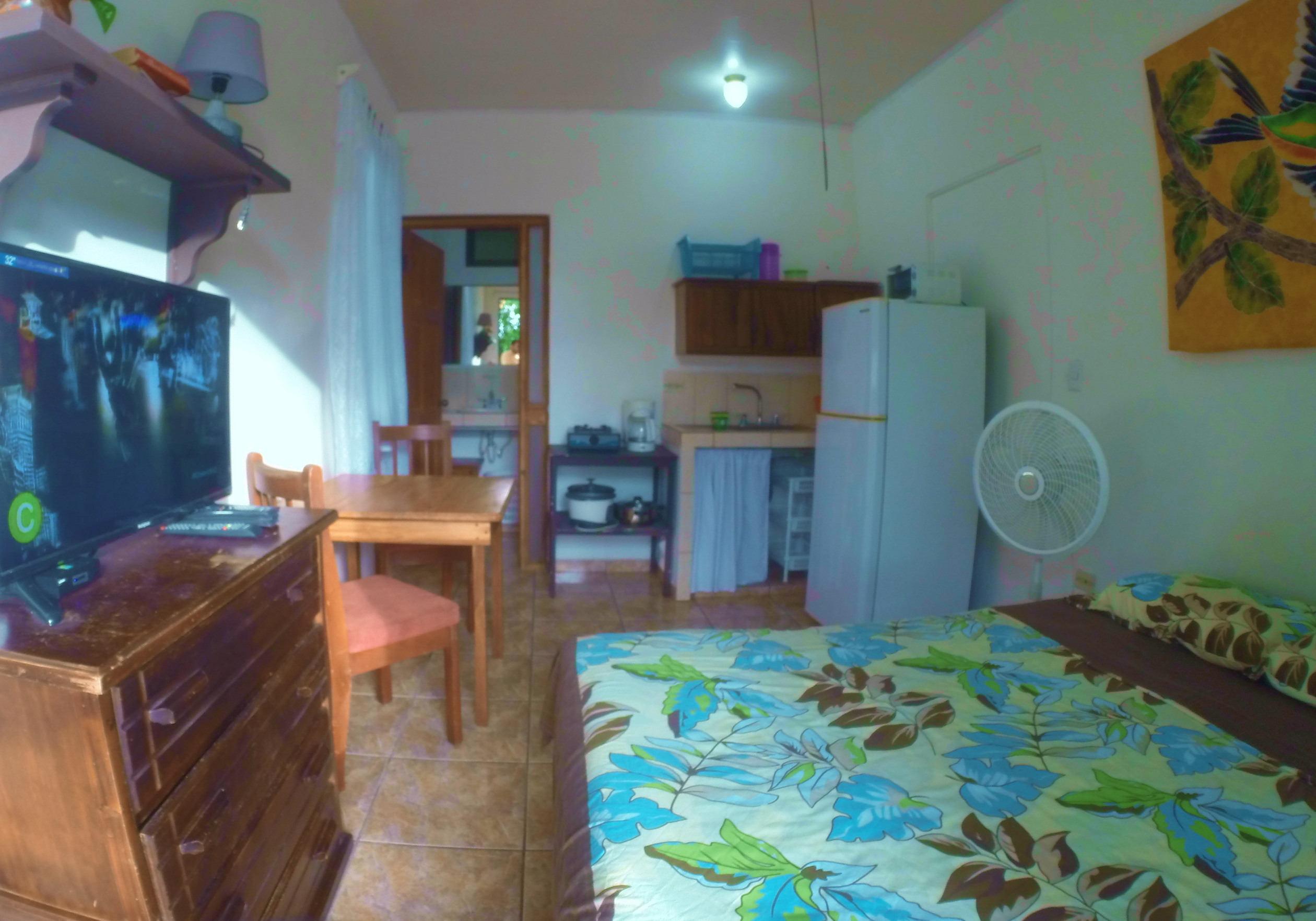
Moving to Costa Rica is an exciting transition, but the rental market operates differently than in North America or Europe. Understanding the local customs and legal requirements will help you find a secure home and avoid common pitfalls.
Start with how renting actually works here
Renting in Costa Rica is often a blend of formal legal structures and informal social agreements. While you may be used to a centralized digital marketplace, the process here is more fragmented and relies heavily on personal connections.
Most landlords prefer long term stability, but the market is flexible depending on the season and the location. In the region between Quepos and Manuel Antonio, you will find a mix of managed buildings and private homes.
It is common for rentals to be handled directly by the owner rather than a corporate management company. This means your relationship with your landlord will be personal and direct, which can be an advantage if you build a good rapport.
Where the listings really are
If you are wondering how to find an apartment in Costa Rica, the first thing to know is that there is no single listing portal that covers the entire country. You cannot rely on one website to see every available property.
Most people find housing through local agencies or Facebook groups dedicated to expats and specific towns. You should also keep an eye out for signs on buildings that say “Se alquila,” which simply means “For Rent.”
The best listings are often never advertised online. Asking for leads in a local cafe, at a hardware store, or through a neighbor often produces options that never reach a website.
Word of mouth is the most powerful tool in the Costa Rican rental market. Once you arrive, let people know you are looking for a place, as the best deals are often shared privately between residents.
What a three-year term means for a foreigner
Costa Rica has specific laws governing housing that may surprise those from the US or Canada. Law 7527 sets a minimum term of three years for housing rentals.
This law applies even if the contract in front of you states a term of twelve months. Legally, the tenant has the right to stay for three years under the terms of the housing lease.
If you only need a place for a short time, a shorter stay is usually handled as a temporary or tourist rental of thirty days or less. Alternatively, some landlords use informal agreements for mid term stays.
Because the legal minimum is three years, it is highly recommended to hire a bilingual lawyer for a long term lease. Contracts are written in Spanish, and the Spanish text is the one that legally counts in court.
Deposits, IVA and the costs that surprise people
The customary security deposit is one month of rent. By law, a landlord cannot require you to pay more than one month of rent in advance.
You will notice that rents are often quoted in US dollars. This is common because it keeps the payment fixed for the whole term, protecting the landlord from currency fluctuations.
If you rent in colones, the price can be adjusted once a year, though this increase is capped by inflation. You should clarify which currency is being used before signing any agreement.
Be aware of the 13% IVA, which is the value added tax. This tax applies when the monthly rent exceeds one and a half base salaries, a threshold set in colones and adjusted annually.
Always ask whether the quoted price includes the IVA. If it does not, your monthly payment will be 13% higher than the base rent listed.
Regarding taxes, the property tax, known as the impuesto predial, is the owner’s cost. You should not be asked to pay this as a tenant.
Utilities are normally paid by the tenant, either directly to the provider or to the owner. These include electricity, water, internet, and gas.
Air conditioning is a significant expense in the tropics. Depending on usage, AC can add between US$100 and US$250 to your monthly electricity bill.
In the Quepos and Manuel Antonio area, furnished apartments generally rent for US$700 to US$1,200 for one bedroom. Two bedroom furnished units typically range from US$1,000 to US$1,600 per month.
For those seeking a professional furnished option, Brunxu provides clear pricing and managed amenities to simplify the move.
How to check that the person renting to you owns the place
Before you sign a contract or hand over money, you must verify that the person renting to you is the actual owner or is legally authorized by the owner.
You can verify property ownership through the Registro Nacional, which is the national registry of Costa Rica. This is the only way to be certain about the legal status of the property.
If you are not comfortable navigating the registry, a local lawyer can perform this check for a small fee. This is a standard practice and a necessary step for your protection.
Verifying ownership prevents you from entering into a contract with someone who has no legal right to the property, which could lead to sudden eviction.
What to inspect in person
Never send a deposit before seeing the property in person or having someone you trust visit it. Photographs are easy to copy from other listings and may not reflect the current state of the home.
When you visit, ask for a recent internet speed test performed at the actual address. Internet reliability varies by neighborhood, and a “high speed” claim may not hold up in practice.
Water is another critical point of inspection. Ask whether the water pressure drops during the dry season and verify if hot water reaches the kitchen or only the shower.
Ventilation is key for comfort during the green season. Check how the apartment is ventilated to prevent humidity and mold buildup when the rains are heavy.
If the property is located on a hill, which is common between Quepos and Manuel Antonio, inspect the driveway. Steep driveways can become very slippery in the green season, so ask about access if you plan to drive your own vehicle.
Negotiating in the green season
The green season runs from May to November. September and October are typically the wettest months of the year.
Because demand for rentals often drops during the rainy months, this is the easiest time to negotiate rent. Landlords are more likely to offer a lower monthly rate to avoid having a vacant unit.
If you are planning your move, arriving during the green season may allow you to secure a better price than if you arrived during the peak tourist months.
Use this timing to your advantage when discussing the terms of your lease or requesting specific improvements to the property.
Red flags that should end the conversation
There are certain signs that indicate you should stop pursuing a rental immediately. The biggest red flag is a request for a deposit before you have seen the property.
Be cautious of landlords who refuse to provide the property details for a Registro Nacional check. A legitimate owner will have no problem proving their ownership.
Avoid any agreement that asks for more than one month of rent in advance. This is a violation of local customs and legal norms.
If a landlord insists on a contract that ignores the three year housing law without offering a clear temporary rental structure, seek legal advice before proceeding.
A short checklist before you sign
- Verify ownership via the Registro Nacional.
- Confirm if the price includes the 13% IVA.
- Confirm the currency of payment (USD or Colones).
- Test the internet speed and water pressure.
- Check the driveway for slope and traction.
- Verify that the deposit is exactly one month.
- Have a bilingual lawyer review the Spanish contract.
- Confirm who is responsible for the impuesto predial.
Frequently asked questions
Can a foreigner rent an apartment in Costa Rica without residency?
Yes, you can rent a property without legal residency. You will typically need a valid passport to sign a lease agreement.
Do I need a local guarantor?
A local guarantor is not always required, but some landlords may ask for one. A security deposit of one month is the standard way to secure a lease.
Can I rent for only three months?
Yes, but this is usually handled as a temporary or tourist rental rather than a formal housing lease. These agreements are more flexible but may have different pricing.
Should I pay in dollars or colones?
Paying in US dollars is common and keeps your rent stable. Paying in colones may allow for inflation capped adjustments once a year.
Finding your first home in Costa Rica requires patience and a bit of local knowledge. For more information on long term rentals in Quepos or tips for living in Quepos, explore our other guides. If you are looking for a furnished apartment with transparent rental rates, contact Brunxu via WhatsApp at +506 8853 8245.