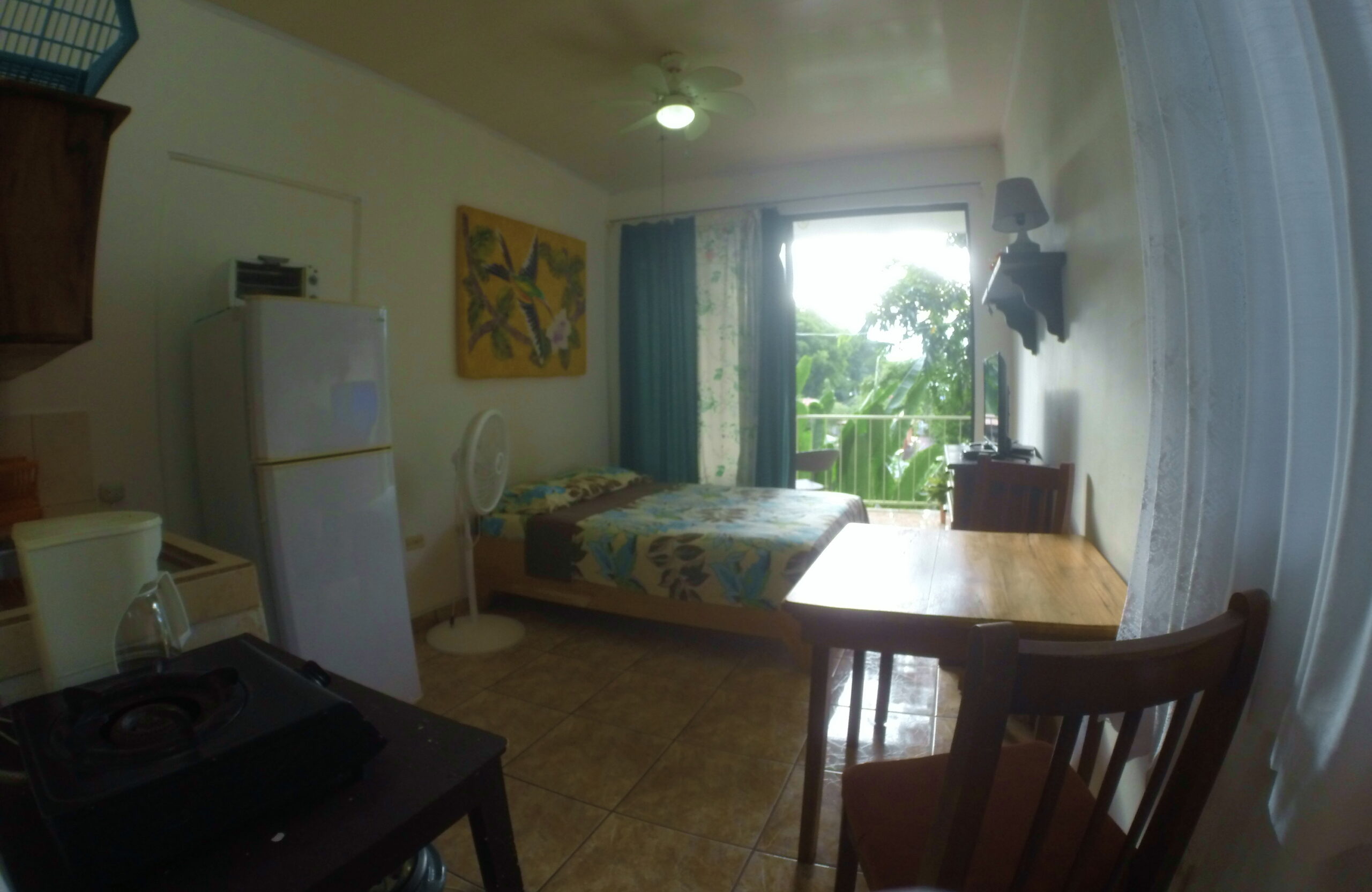
Working remotely from Quepos Costa Rica is a viable lifestyle choice, but your success depends almost entirely on your connectivity. While the scenery is a bonus, the stability of your internet connection is what determines whether your month is productive or stressful.
The time zone is the quiet advantage
Costa Rica operates on Central Standard Time (UTC-6) all year. There is no daylight saving time change, which simplifies your scheduling.
This clock aligns perfectly with US Central time in the winter and sits one hour behind US Eastern time during the same period. It allows you to overlap a full working day with clients across both North and South America.
For those with European clients, the time difference requires a shift in routine. Most calls with Europe become early morning affairs, leaving your afternoons open for local exploration.
Internet: what actually matters
Internet is available throughout Quepos and Manuel Antonio. Most buildings utilize fibre or cable, while mobile data is the primary option in more remote areas.
You should know that speeds vary enormously between one building and the next. A provider name is less important than a speed test conducted at the exact address where you will be staying.
Mobile data is prepaid and inexpensive compared to North American standards. A phone hotspot is the standard backup for most remote workers when a fixed line fails.
Power, backups and the green season
Power cuts do occur in this region. They are usually short and typically happen during heavy storms in the green season, which runs from May to November.
September and October are the wettest months of the year. During this time, you are more likely to experience brief outages.
A laptop with a healthy battery and a fully charged power bank are sufficient to cover most of these interruptions. These tools ensure you do not lose work or disconnect during a critical task.
The legal side: tourist entry or the digital nomad visa
Most North American and European passport holders can enter for a tourist stay of up to 180 days without a visa. The border officer decides the exact length of your stay upon entry.
It is important to remember that working locally for a Costa Rican employer is not permitted on a tourist entry. This status is for those whose income is generated from outside the country.
For those seeking a more formal arrangement, Law 10008 created the digital nomad visa. This visa is granted for one year and can be renewed once.
The requirements include proof of remote income of at least US$3,000 per month for individuals or US$4,000 for families. You must also have medical insurance with coverage of approximately US$50,000 and pay a fee of roughly US$100.
A significant benefit of this visa is that income earned abroad is exempt from Costa Rican income tax. You can read more about these options in our guide on why digital nomads are choosing Costa Rica.
What a working month costs
The practical unit of time for renting here is the month. Weekly rates are generally hotel rates, whereas monthly rates are where the actual cost of living falls.
Furnished one bedroom apartments in the area typically rent for US$700 to US$1,200 a month. Two bedroom units generally range from US$1,000 to US$1,600. You should verify if internet is included in the price or if it is an additional cost.
Monthly utilities usually run between US$80 and US$180. Air conditioning is the largest variable in this budget. Running the AC all day while you work will push your utility bill toward the higher end of that range.
Grocery costs for one person average between US$250 and US$450 per month. For a cheaper alternative, a lunch at a local soda typically costs between US$6 and US$10.
For a detailed breakdown, see our cost of living Costa Rica monthly budget or check current rental rates.
Where to work when the apartment is not enough
Dedicated coworking spaces are limited in the Quepos and Manuel Antonio area. Most remote workers establish their primary office within their apartment.
There are various cafes and restaurants in both towns that offer wifi. These are useful for a change of scene, but they are not always suitable for high stakes meetings.
If you need a reliable home base with the necessary infrastructure, Brunxu provides furnished apartments designed for longer stays. This allows you to maintain a professional environment without relying solely on public cafes.
Routine, heat and the discipline problem
The climate can impact your productivity. The heat can be draining, which is why many workers rely on air conditioning or strategically timed breaks.
Managing your schedule is key. Many find it effective to work early in the morning to beat the midday heat and finish their tasks before the afternoon rains begin during the green season.
The proximity to the beach and the national park can be a distraction. Setting a strict routine helps you balance the desire to explore with the requirements of your job.
You can find more tips on managing your stay in our section on long term rentals in Quepos.
Quepos and Manuel Antonio as a base
The area is split between the more urban feel of Quepos and the nature focused environment of Manuel Antonio. The local bus between the two runs approximately every 30 minutes.
The national park is a primary attraction, but remember that it is closed on Tuesdays. Planning your visits around this closure is essential for a smooth week.
The atmosphere changes with the seasons. The high season from December to April is busier and louder. The green season from May to November is quieter and more relaxed.
For more information on what to expect during different times of the year, visit our page on Quepos weather.
The trade-offs nobody mentions
The primary trade-off is the balance between convenience and cost. While local sodas are affordable, importing specific North American or European brands at the grocery store increases your budget.
Another trade-off is the noise level. During the high season, the increase in tourism brings more activity to the streets, which can be disruptive if your apartment is near a main road.
The reliability of infrastructure is another consideration. While fibre internet is common, the occasional power cut during a storm is a reality of living in a tropical zone.
Frequently asked questions
Is the internet fast enough for video calls?
In many buildings with fibre, yes. However, because speeds vary by building and provider, you should always request a speed test for your specific unit before signing a lease.
Do I need the digital nomad visa if I stay 90 days?
No. Most North American and European passports allow a tourist stay of up to 180 days. The digital nomad visa is for those seeking longer stays or specific tax exemptions.
Can I open a Costa Rican bank account?
The provided facts do not cover banking regulations. You should consult with a legal professional or a local bank regarding account requirements for non residents.
What happens if the power goes out during a meeting?
Most workers rely on a laptop battery and a mobile phone hotspot. This combination usually allows you to stay connected and finish your meeting until the power returns.
If you are ready to plan your stay, you can view our reservation options. For direct inquiries about available units at Brunxu, contact us via WhatsApp at +506 8853 8245.